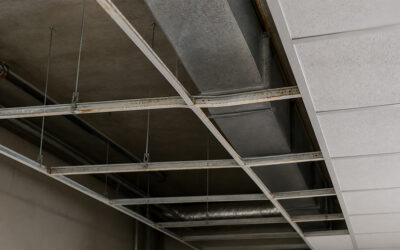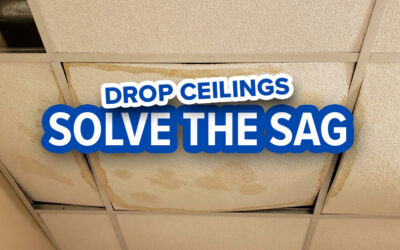
Deciding whether to install a drop ceiling yourself or hire a professional installer comes down to three key factors: project complexity, available time, and the consequences of errors. Simple residential installations in dry, rectangular spaces with minimal penetrations (lighting, HVAC vents) can be manageable DIY projects for experienced homeowners who are genuinely handy—comfortable with precision measuring, power tools, level work, and extended time on a ladder. Standard 2×2 or 2×4 grid systems with lay-in panels are designed for relatively straightforward assembly.
Before we go further, a quick disclaimer: ERCO sells drop ceiling products and provides professional installation services. But after more than 60 years in the business, we know not every project requires a professional installer. This guide is meant to help you weigh the tradeoffs honestly and choose the approach that fits your space, skills, timeline, and priorities.
Complexity escalates quickly when dealing with irregular room shapes, multiple ceiling heights, heavy fixtures, tight hangs, integration with fire suppression or HVAC systems, moisture-prone environments requiring specific materials, or commercial spaces with code requirements. Professional drop ceiling installers bring experience in planning layouts that minimize waste, selecting appropriate materials for the environment—critical when relative humidity is consistently elevated—properly sizing and spacing structural support, and navigating building codes and accessibility standards that vary by jurisdiction.
RH stands for relative humidity—the amount of moisture in the air relative to what the air can hold at a given temperature. Consistently elevated humidity affects which ceiling materials are appropriate and how they perform over time. It’s one of the most overlooked factors in ceiling selection, particularly in spaces that are seasonally conditioned or shut down for extended periods.
Time Is a Real Part of the Decision
A skilled installer can often complete a typical residential room in a day or two, while a first-time DIY project may take a week or longer. That may be perfectly reasonable for a flexible project, but it can matter more during a renovation with firm deadlines or when the space needs to be back in use quickly. DIYers should also account for the learning curve, potential material waste from measurement errors, multiple supply-store trips, and the possibility of damaging components along the way.
Professional installation typically includes warranty coverage on materials and workmanship, proper load calculations for anything mounted to the grid, and confirmation that the system meets applicable fire and safety codes. Those considerations tend to carry more weight in commercial applications, high-value residential spaces, or projects involving more complex conditions.
Consider These Questions Before Starting:
- Is the room layout straightforward, or are there bulkheads, soffits, and unusual corners?
- What will be supported by the ceiling—lighting, vents, access panels, or heavier fixtures?
- Is the room subject to humidity or major seasonal temperature changes?
- How important is it for the project to be completed by a particular date?
- Are there local code, fire-safety, or accessibility requirements to account for?
- If an issue comes up mid-installation, do you have the time and tools to adjust the plan?
A quick review of these details can help clarify the right approach. If you’re unsure about any of them, a qualified installer can help assess the space before materials are ordered.
DIY can be a good fit for straightforward projects where you have the time and confidence to work through the learning curve. Professional installation may make more sense for challenging layouts, time-sensitive renovations, commercial applications, or projects where long-term performance and code compliance are central concerns.
If you’re still weighing your options, consider getting a second opinion from a qualified local installer. At ERCO, we’re happy to offer that assessment honestly—helping you decide if your project is a solid DIY candidate or if professional support is the better path forward.